
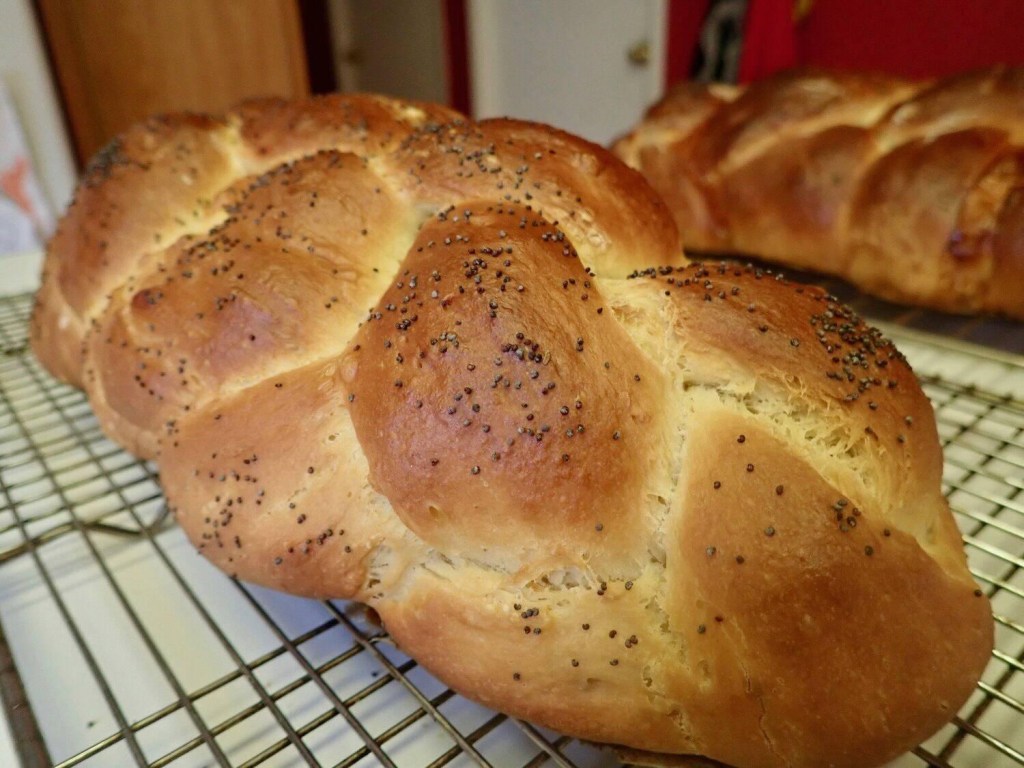
Challah is a traditional food found at the Shabbat table and in moedim festivities. Each Erev Shabbat, as our family welcomes the weekly Sabbath, we eat the bread in remembrance of the manna which the Most High supernaturally provided to the children of Israel. We use the challah as an opportunity to discuss ways in which YHVH has supernaturally intervened and provided in our life the previous week— perhaps meeting a need in a special way, or giving us strength to endure hardship, or giving us wisdom to make a righteous decision.
Usually, challah is an egg enriched bread that has also been basted with an egg wash, giving it a rich, fluffy texture and a golden glow. In our home, however, we choose to omit the egg due to my egg intolerance.
We also eat primarily sourdough breads with whole grains. Do you know how many whole grain sourdough challah recipes there are online? Not many. And when several years ago I began searching for such a recipe that was also egg free… well, that combination didn’t turn up any results. (Here’s the vegan yeast challah recipe I used to use.)
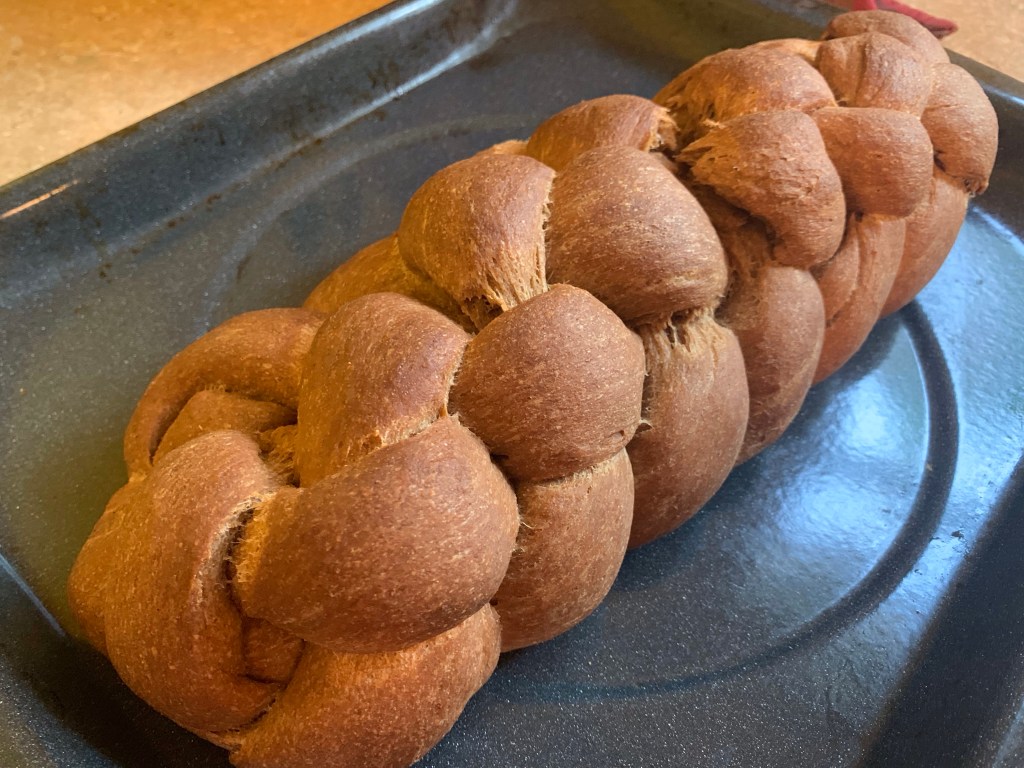
So, I took to my kitchen to create the best challah recipe, and I have come up with this 100% whole wheat sourdough vegan challah recipe that has a great rise and a phenomenal taste! This egg-less whole wheat sourdough challah has been the staple challah recipe in my kitchen for the past several years— and now I share it with you. Enjoy!
Makes 2 large loaves
Ingredients:
• 2.5 cups warm water plus a tablespoon more at a time, as needed
• 3/4 cup olive oil plus a splash more (divided)
• 1 cup active sourdough starter
• 8 cups whole wheat flour
• 1 cups coconut sugar (or other sweetener of choice; if honey, use 3/4 cup honey and about a 1/4cup less water)
• 1 tablespoon salt
• optional: honey or maple syrup mixed with non dairy milk for wash (or other wash of choice), sesame or poppy seeds for topping
Instructions
1. In a large bowl, dissolve sourdough starter into warm water and 3/4cup olive oil (and honey, if using).

2. Add coconut sugar and whole wheat flour and mix until just incorporated. Add salt and continue incorporating by kneading motions until all flour is moist. (If using a more coarse grain, or a freshly ground whole grain, add an additional splash or two of water at a time so that all the dough is moist. The thickness of your sourdough starter may also require a bit extra water. You want all the flour to be moist, maybe even a little tacky and sticky— but not soupy, and not dry.)
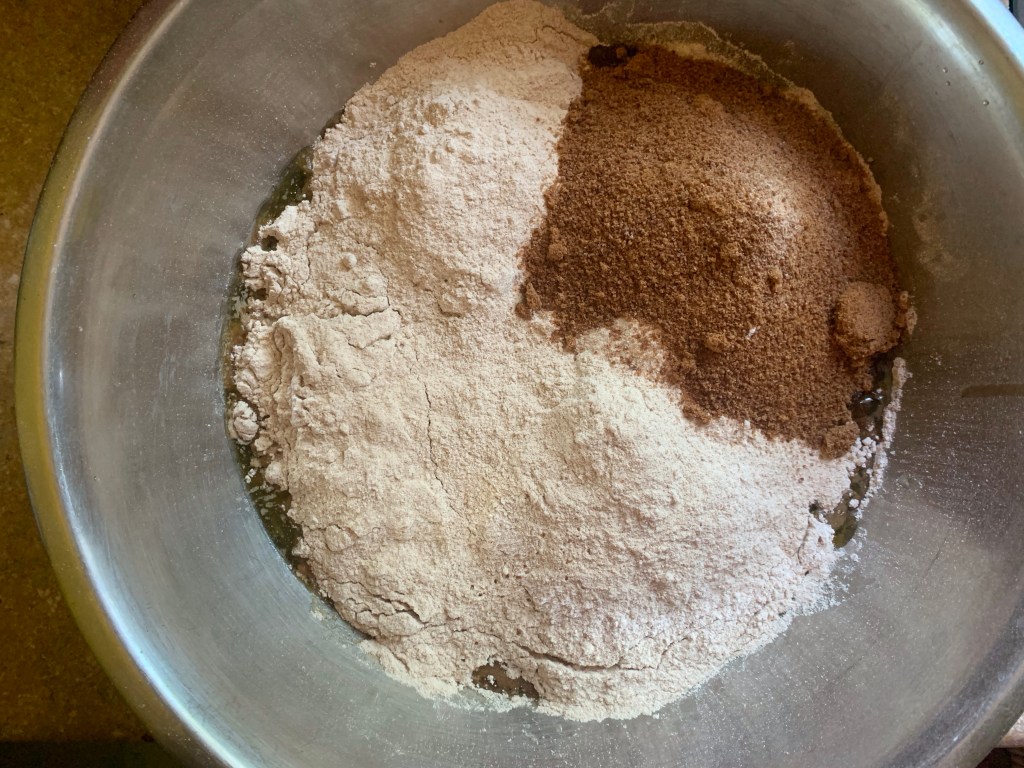
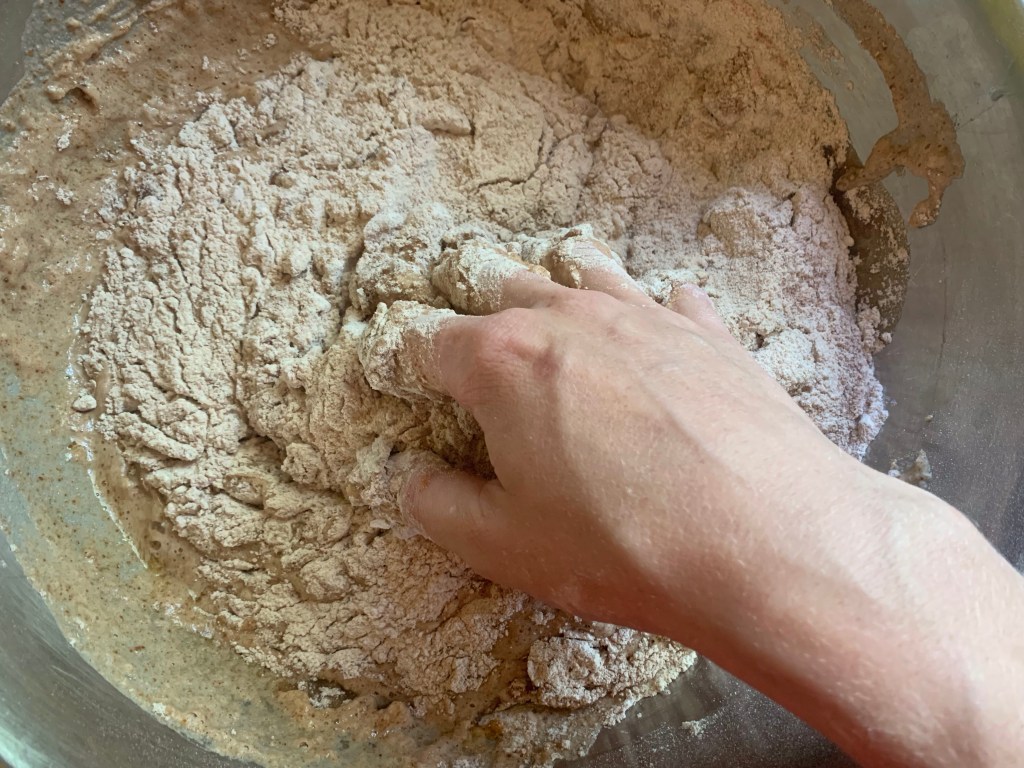

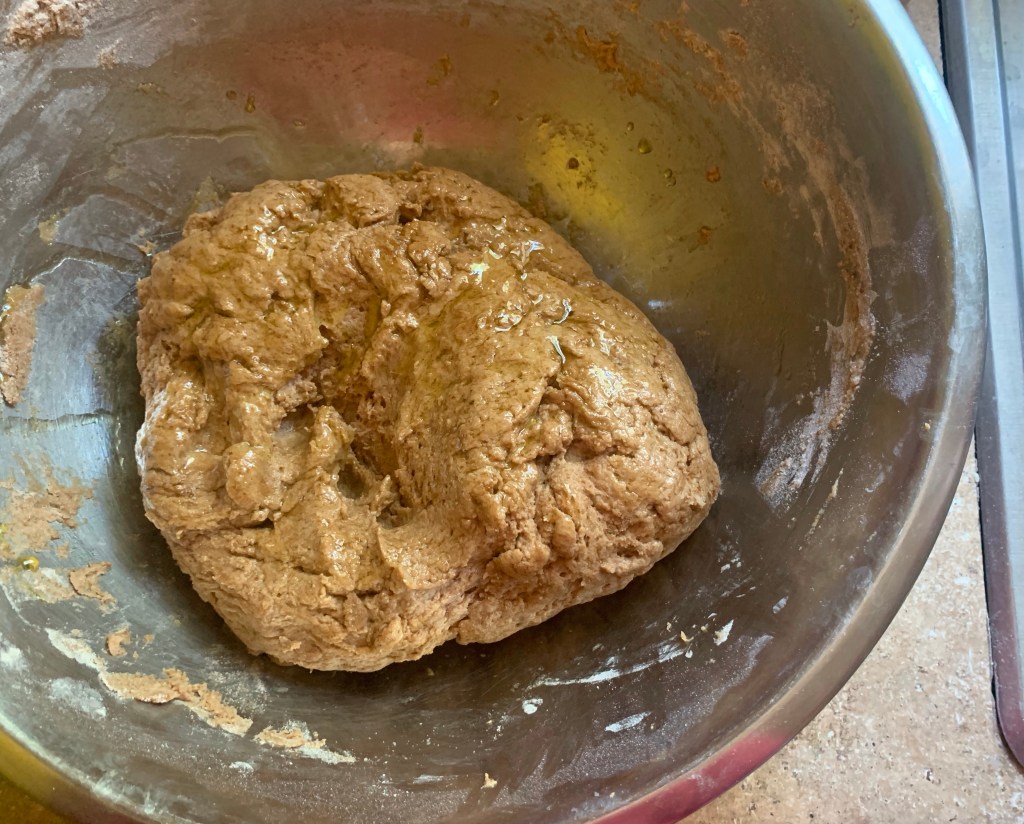
3. Bring the dough together and place aside on a lightly floured surface. Add a splash of olive oil to the large bowl and coat all sides. Place the dough back in the bowl, turning it so all sides are nicely greased.

Steps 4-5 are optional, but will result in a higher rise and a more fluffy challah.
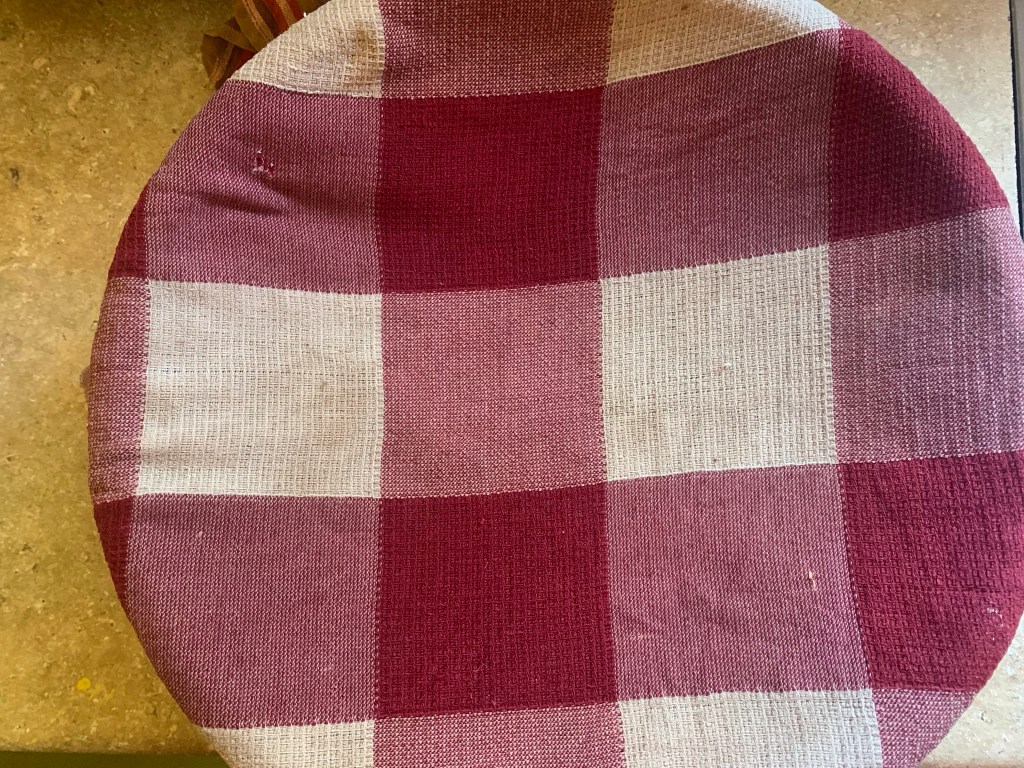
4. Cover with a damp cloth and let sit for 30-45 minutes.
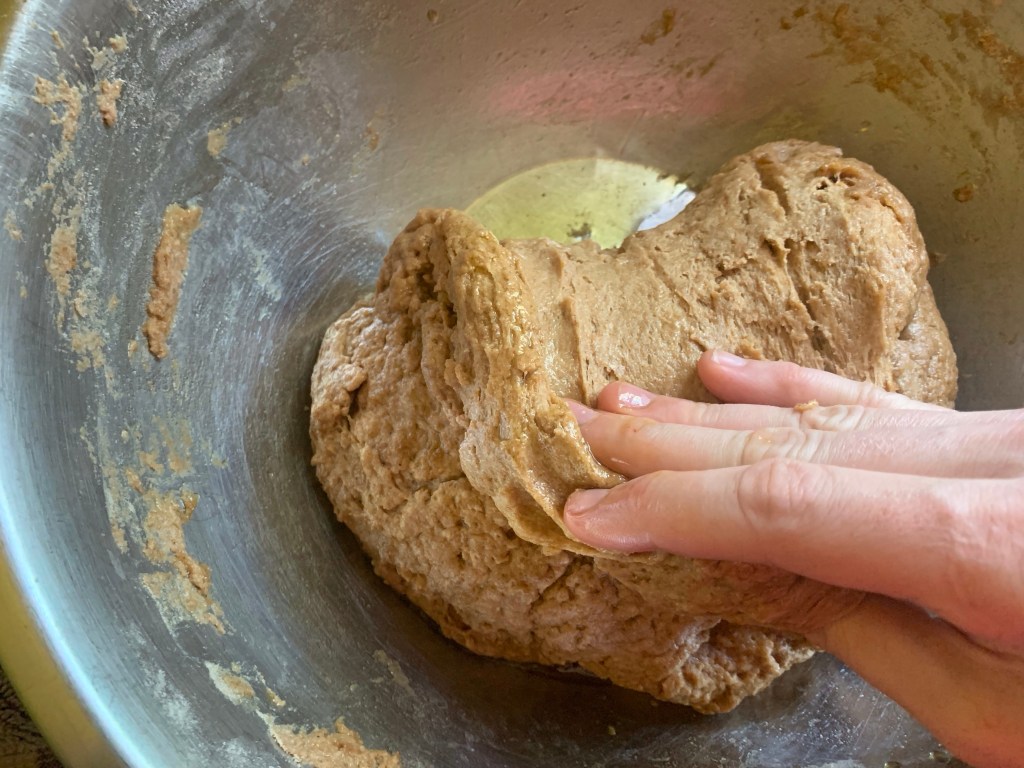
5. Stretch and fold the dough. Repeat steps 4-5 two more times, for a total of 3 sets of stretch and folds.
How to Stretch and Fold: Wet your fingers with water. Then, grab a portion of dough from the side of the bowl, pull up (stretch), and fold into the center of the dough. Give the bowl a quarter turn, and grab a second portion of dough, pull up (stretch), and fold into the center. Again, give the bowl a quarter turn, and grab dough from the third side. Stretch and fold. Once more, turn the bowl a quarter turn, grab dough from the fourth side, and stretch and fold.

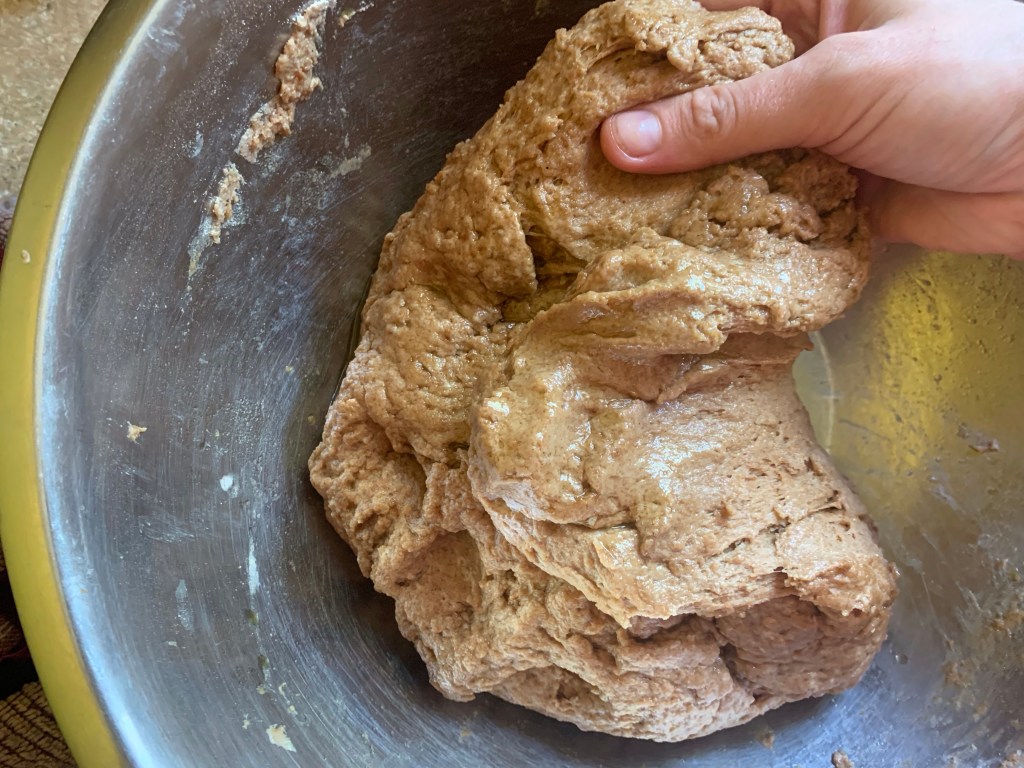
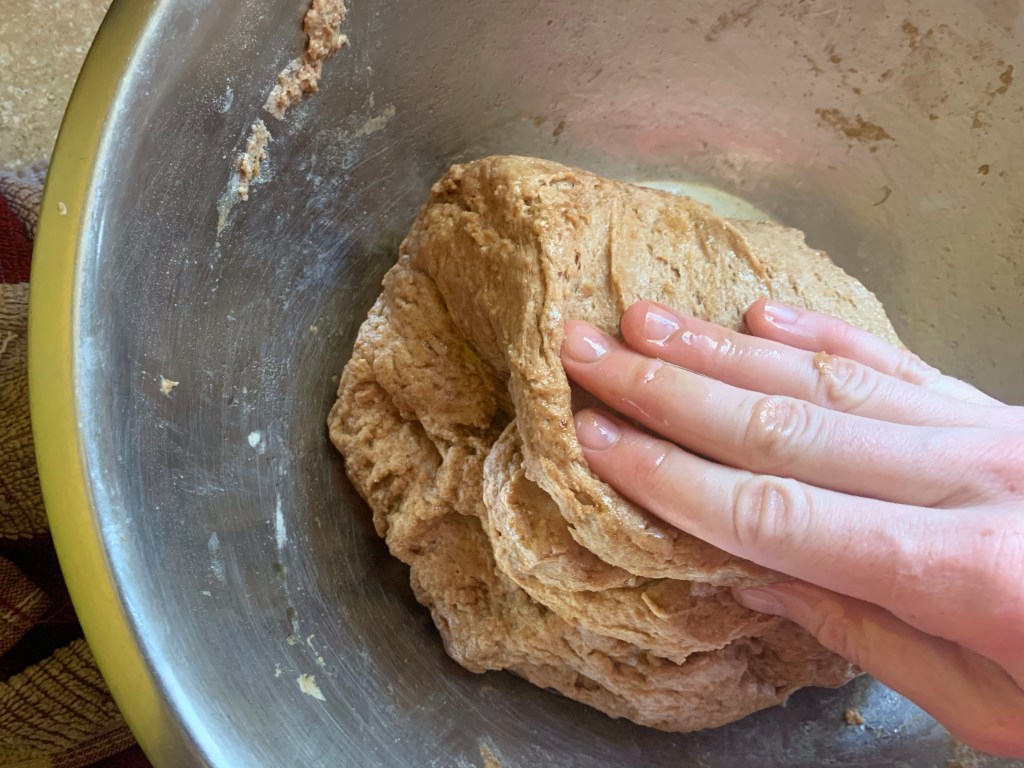
6. Allow the dough to rise until about two hours before desired bake time (at least 3-4 hours in a warm place).
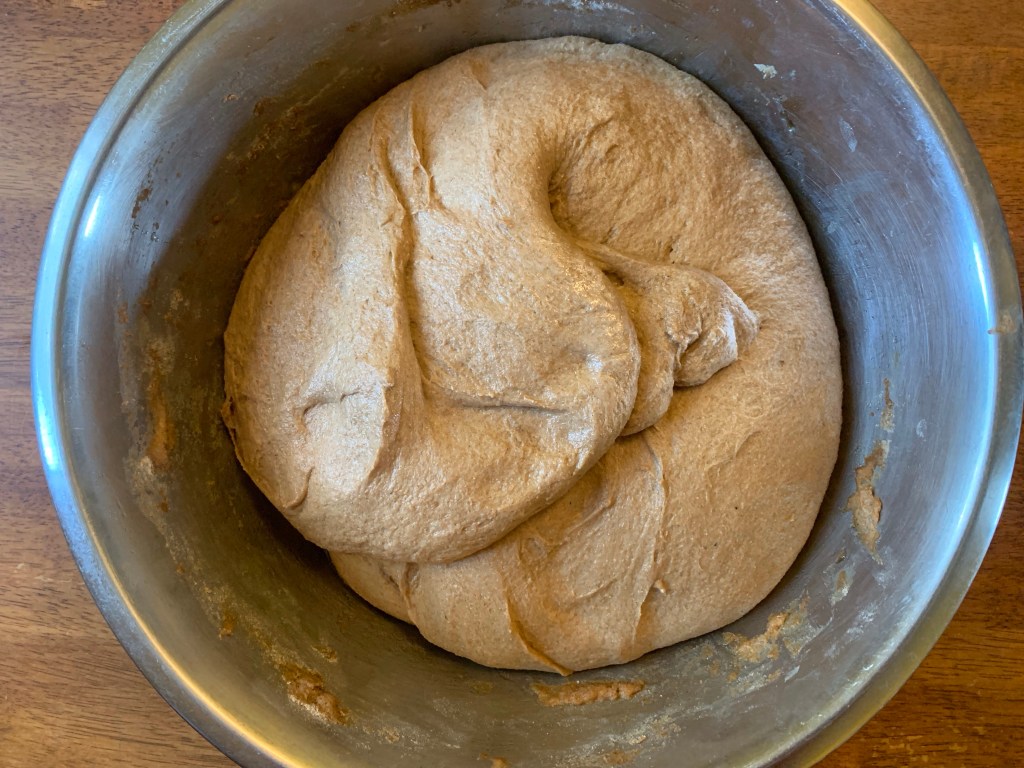
7. Transfer the dough onto a lightly floured surface and divide in two parts for your two challah loaves. Follow instructions for braiding method of choice. (I personally love the six strand braid!)
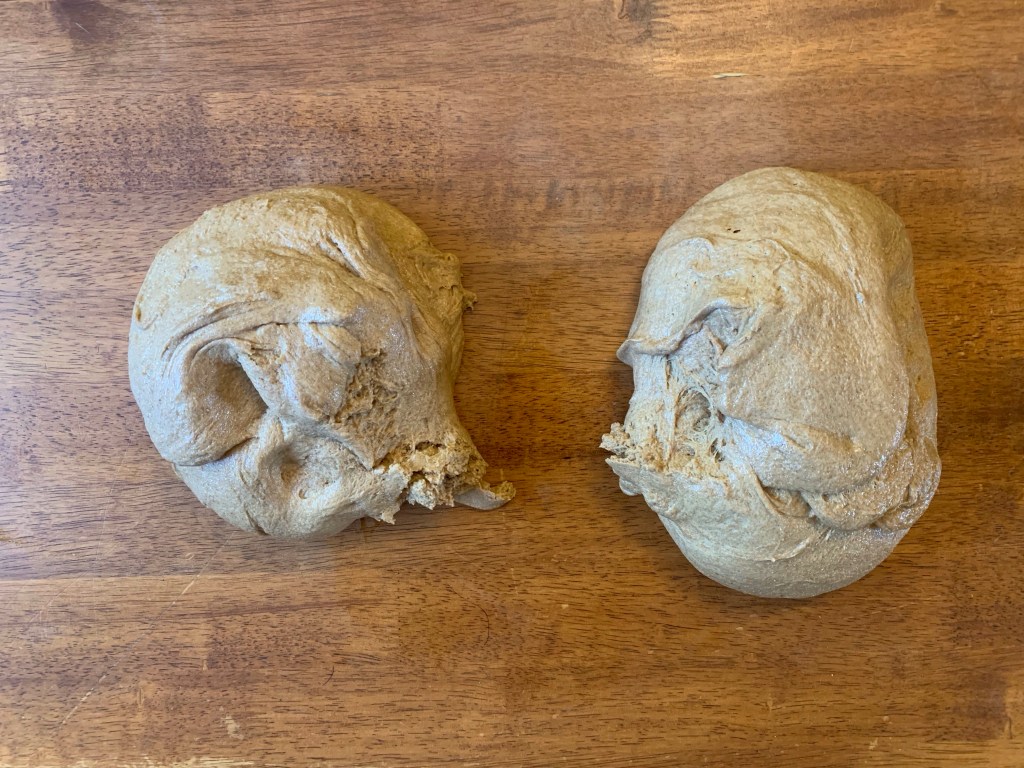
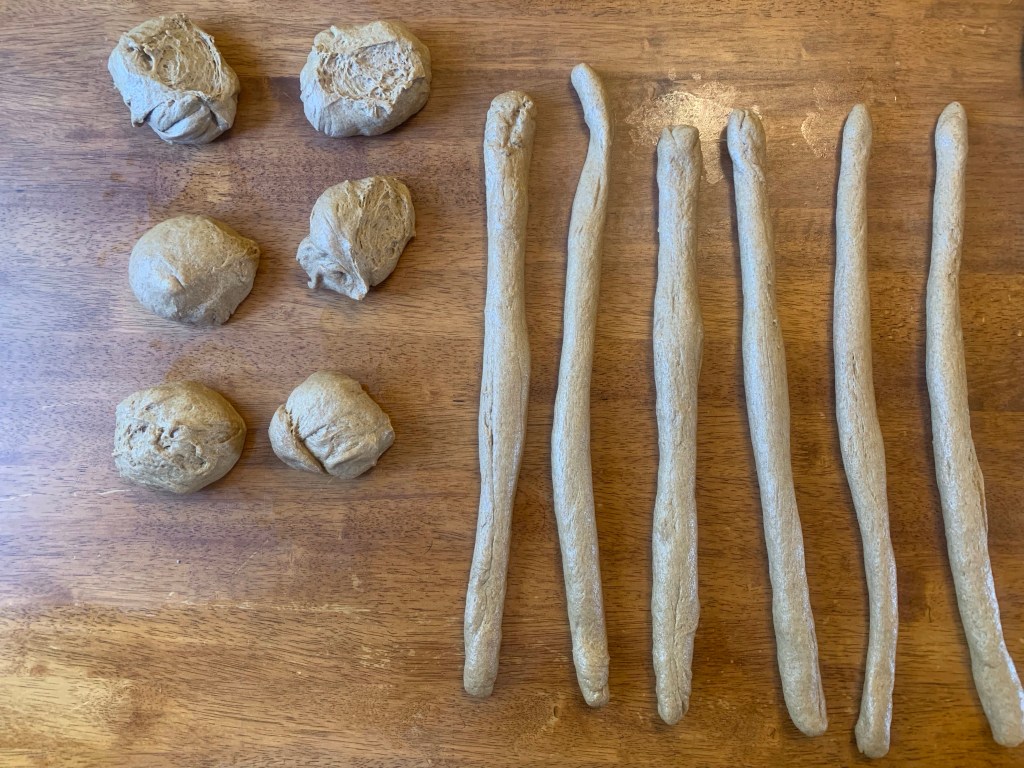
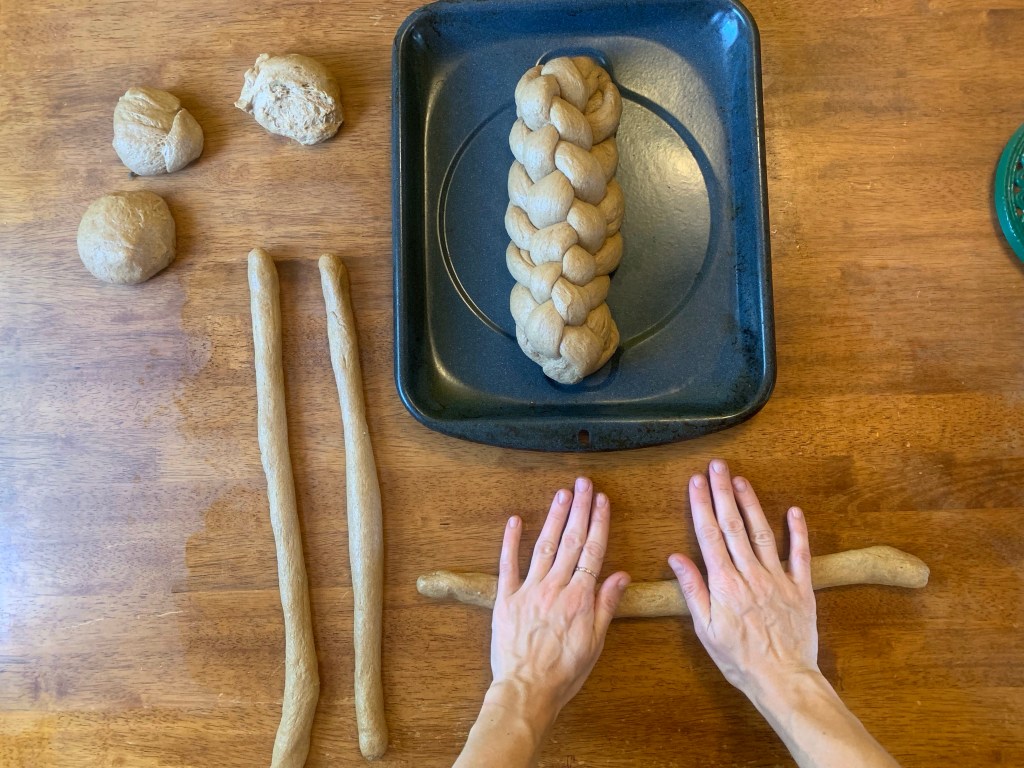
8. Allow the braided challah loaves to rise 30 minutes, then preheat the oven to 450F.
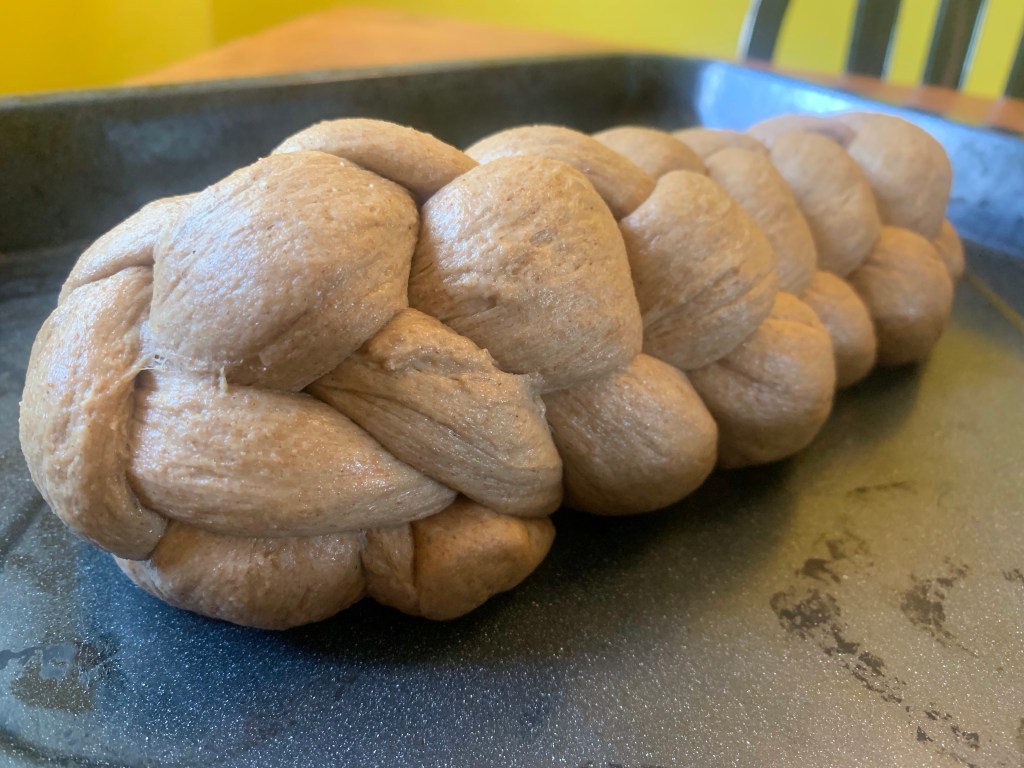
9. Bake the challah loaves in the preheated oven for 40 minutes. Optional: After 30 minutes, baste with wash of choice and any toppings of choice. Then, bake an additional 10 minutes or until golden-brown.
10. Let the challah cool completely before slicing.
*Notes: I feed my sourdough starter the night before I plan to bake so it is active. I combine my challah dough in the morning such that I can begin my first stretch and fold no later than 9am. I tend to braid around 2pm, and bake 3-3:30pm, so that I am ready to serve at 5-6pm. I do not generally wash my challah anymore, which means it doesn’t have the beautiful golden-brown color, but it still tastes fantastic!

Shalom!
Raquel
 Women Living Torah
I make challah every week with fresh- milled flour. I have been looking for a sourdough challah recipe, but fresh- milled sourdough is tricky. I am looking forward to trying your recipe.
LikeLike